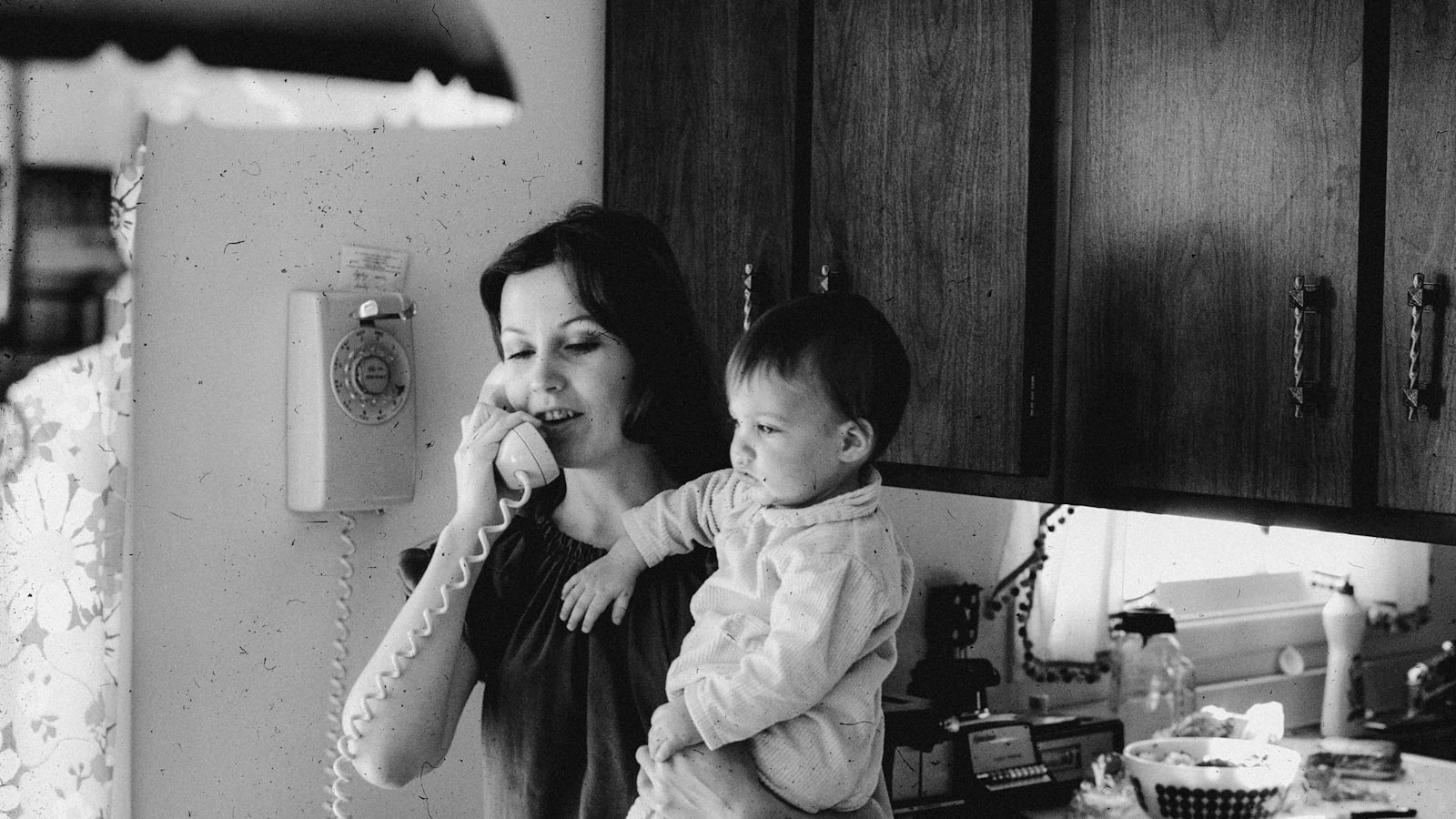
You have a federal right to reasonable break time and a private space that is not a bathroom to pump, for one year after your child's birth 13. Raise it before your leave ends, not on your first day back. And start the childcare routine a week early — the transition goes far better when only one thing is new at a time.
The return to work after maternity leave tends to arrive faster than it feels like it should, and the emotional weight of it is real — but a lot of what makes the first weeks back harder than necessary comes down to logistics that can genuinely be sorted out in advance.
Know your actual rights around pumping
Federal law protects your right to reasonable break time and a private space — not a bathroom — to pump at work, and the FMLA may separately protect your job during leave depending on your eligibility 13. Many employers, especially smaller ones, simply aren't fully aware of these requirements, so it's worth raising your pumping plan directly rather than assuming it'll be handled automatically. Bringing it up weeks to months in advance, ideally before your leave even starts, gives an employer real time to prepare a space rather than scrambling on your first day back.
The specifics are worth knowing precisely, because they're what make the request concrete:
Reasonable break time, each time you need it, for one year after your child's birth 3.
A space shielded from view and free from intrusion from coworkers and the public 3.
A bathroom does not satisfy the requirement, even a private one — the law is explicit 3.
Break time doesn't have to be paid under federal law — but if your employer already provides paid breaks and you use that time to pump, you must be paid as anyone else would be 1.
The PUMP for Nursing Mothers Act, which became law on 29 December 2022, extended these protections to millions of workers previously excluded, including teachers, nurses, agricultural workers, truck and taxi drivers, home care workers and managers 3. State law sometimes provides more than this federal floor, never less.
If your workplace doesn't proactively offer a pumping space and schedule, that's a conversation worth having directly with HR or your manager — not something to work around quietly. It's a legal entitlement, not a favor.
Before your last week off
Practice your actual pumping-and-storing routine before you need it for real, so the logistics feel familiar rather than new on day one
Start shifting your household's daily rhythm a week or two early — wake time, morning routine, and a trial daycare or childcare drop-off if possible
Confirm with your employer exactly when and where you'll pump, and how often, so it's settled rather than negotiated in real time
If pumping and storing at work, sort out a plan for transporting milk home — an insulated bag with ice packs covers most commutes
Introduce a bottle ahead of time if your baby hasn't taken one. Some babies refuse at first, and discovering that on day one is avoidable
Build a small milk stash if you're breastfeeding, but don't over-engineer it — a few days' buffer is plenty
Do a dry run of the whole morning, including the commute, once
A workable first-day plan
Go back mid-week if you have any choice. A two- or three-day first week is a far gentler test than five.
Put pumping in your calendar as blocked time, not as something you'll fit in. Unblocked time gets taken.
Pack the night before, and keep a spare set of pump parts and a spare shirt at work.
Tell one colleague what's going on, so someone knows why you disappear at 11.
Lower your own expectations explicitly. Aim to get through the day, not to prove anything.
What to do about the guilt
Almost everyone feels some version of it, and it isn't a signal that you're making the wrong choice. A few things that genuinely help:
Ask the provider to send a photo mid-morning. It's a small thing and it helps enormously in the first week.
Expect the delayed reaction. Plenty of babies do fine at drop-off and struggle at pickup, or sleep badly for a week or two. That's adjustment, not a verdict.
Don't interpret your baby's comfort with their carer as a loss. A baby who settles with someone else is a baby who has learned that they're safe with more than one person.
The first drop-off is usually the hardest day of the whole transition, and it's worth knowing that in advance.
Still reading? You might want the next one in your inbox.
New guides go out the moment they're published — no noise in between.
The first week back, realistically
Give yourself more grace than you're inclined to. A slower, more distracted, more emotional first week or two back is common and doesn't mean anything is going wrong — it's a genuinely large transition happening on a compressed timeline 2. If your workplace allows a phased return (part-time hours ramping up over a few weeks), it's worth asking about even if it's not standard policy; some employers will accommodate it on request even without a formal program.
Also expect illness. Babies starting group care get sick often in the first months, and it is normal rather than a sign the setting is wrong — but it does mean the practical question "who stays home when the baby is sick?" is worth answering with your partner or support network before it happens, not at 6am on the day.
What tends to help most, according to parents who've done it
A childcare drop-off routine practiced a few times before your actual first day, so it's not brand new on top of everything else
A direct conversation with your manager about workload expectations for the first few weeks, set explicitly rather than assumed
Building in a buffer day off between your last day of leave and your first day back, if your leave policy allows it
Connecting with other parents at your workplace who've made the same transition — practical tips travel faster peer to peer than through HR documentation
Agreeing an explicit split with a partner on sick days, nursery pickups and night wakings, rather than letting it settle by default
Talk to your doctor if the return to work brings persistent low mood, anxiety that doesn't settle, panic symptoms, or a sense of dread that doesn't lift after the first few weeks — perinatal mood disorders can surface or worsen at this transition, and they're treatable. Call your doctor or a lactation consultant for a sudden drop in supply, pain while pumping, or a hard, red, tender area with fever, which can indicate mastitis. And if your employer refuses reasonable break time or an appropriate space, the Department of Labor's Wage and Hour Division handles complaints 3.
FAQ
Does my employer have to let me pump at work?
Do they have to pay me for pumping breaks?
Not under federal law — unless you're using an existing paid break, in which case you must be paid as usual 1.
Can they give me a bathroom to pump in?
No. The law explicitly excludes bathrooms, even private ones 3.
When should I raise it with my employer?
Before your leave ends — ideally weeks or months ahead, so a space can actually be arranged.
How early should I start the new routine?
A week or two before your first day, including a practice drop-off. The aim is for only one thing to be new at a time.
Is it normal for my baby to get sick constantly?
Yes — frequent illness in the first months of group care is expected. Agree in advance who covers sick days.
Sort the pumping conversation before your leave ends, and know the specifics: break time, a private non-bathroom space, for a year. Start the childcare routine early so day one isn't the first of everything, go back mid-week if you can, and expect a wobbly fortnight. The guilt is near-universal and isn't evidence you've chosen wrong.
Sources
Every claim, sourced
3 sources cited in this guide
- 1Pregnant and Nursing Employees — U.S. Department of Labor, Wage and Hour DivisionFederal law · Accessed September 2026
- 2Returning to Work After Maternity Leave — Mayo Clinic Health SystemClinical guidance · Accessed September 2026
- 3FLSA Protections to Pump at Work — U.S. Department of Labor, Wage and Hour DivisionFederal law · Accessed September 2026